Advanced aesthetics & skin treatments in Brentwood, Essex

Acne is one of the most common skin concerns we see at Derma Aesthetics Clinic in Brentwood, affecting teenagers as well as adults. It can range from blackheads and occasional breakouts to persistent inflammatory acne and may also leave redness, pigmentation or scarring behind.
We offer personalised skin consultations, professional skincare and selected aesthetic treatments for clients concerned about congestion, post-acne marks and acne scarring. Active acne may also need treatment from your GP or a dermatologist.
What Causes Acne?
Acne develops when hair follicles become blocked with excess oil and dead skin cells. This can lead to blackheads, whiteheads and inflamed spots.
A number of factors can influence acne, including hormones, genetics, excess oil production, skincare products and lifestyle. Acne can affect the face, chest, shoulders and back and can occur at almost any age.
For some people, acne settles without leaving significant marks. For others, persistent inflammation can lead to redness, changes in pigmentation or permanent acne scarring.
Different Types of Acne
- Blackheads: Open blocked pores that appear dark at the surface.
- Whiteheads: Closed blocked pores that appear as small raised bumps.
- Papules: Small, inflamed red bumps that may feel tender.
- Pustules: Inflamed spots containing visible pus.
- Nodules: Larger, deeper and often painful lesions beneath the skin.
- Cysts: Deeper inflamed lesions that can be painful and have a greater risk of scarring.
Teenage Acne Treatment in Brentwood
Acne is particularly common during the teenage years, when hormonal changes can increase oil production and make blocked pores and breakouts more likely.
At Derma Aesthetics Clinic, we regularly see teenagers and their families looking for help with blackheads, congestion, oily skin, persistent breakouts and the marks that spots can leave behind.
Our approach is supportive and straightforward. We assess the skin, look at the current skincare routine and recommend a manageable plan suited to the individual rather than encouraging an unnecessarily complicated routine.
How We Can Help Teenage Skin
- Assess the type and severity of acne
- Help simplify existing skincare routines
- Recommend professional skincare for acne-prone skin
- Discuss suitable in-clinic treatments where appropriate
- Help address congestion, excess oil and post-acne marks
- Provide realistic advice about treatment and skin improvement
For severe, painful or cystic acne, or where significant scarring is developing, we may recommend speaking to your GP or a dermatologist as medical treatment may be more appropriate.
Teenagers and parents or guardians are welcome to contact us for advice and a skin consultation at our Brentwood clinic.
Active Acne & Acne Scarring Are Different
Active acne and acne scarring often require different approaches. When the skin is still producing regular inflamed breakouts, the priority is usually to improve the condition of the skin, reduce congestion and support an appropriate skincare routine.
Once active acne is better controlled, treatments aimed specifically at improving post-acne marks, uneven skin texture and acne scarring can then be considered.
Everyday Acne Care & Medical Assessment
Keep skincare simple: use a gentle cleanser, remove make-up, choose non-comedogenic products and avoid scrubbing, picking or squeezing spots. Ask a pharmacist about suitable over-the-counter treatment for mild acne. Allow time for a recommended routine to work instead of repeatedly switching strong products.
Speak to your GP if acne remains persistent despite self-care, is deep or painful, causes scarring or affects your wellbeing. Prescription treatment may be needed. A facial or peel is not a substitute for appropriate medical care. The NHS acne guidance explains when to seek help.
For a broader overview, read Acne Treatment for Teenagers & Adults.
Acne Treatments at Derma Aesthetics Clinic
The most appropriate acne treatment depends on your skin type, the type of acne present and whether your main concern is active breakouts, congestion, excess oil, pigmentation or scarring.
AlumierMD Professional Peels & Skincare
AlumierMD offers professional chemical peels and skincare products that can be selected according to concerns such as congestion, blemishes, excess oil, uneven skin tone and post-acne marks.
A personalised skincare programme can also be an important part of managing acne-prone skin between clinic treatments.
Find out more about AlumierMD treatments
BioRePeel
BioRePeel is a professional peel designed to support skin renewal and improve the appearance of uneven texture, congestion and post-acne marks. Suitability depends on your skin condition and will be assessed during consultation.
ZO Skin Health
Professional ZO Skin Health products and treatments can be incorporated into a personalised skincare programme to help address concerns such as congestion, excess oil, uneven skin tone and post-inflammatory pigmentation.
Find out more about ZO Skin Health
Professional Chemical Peels
Professional peels can help improve congestion, dullness, uneven skin texture and some types of post-acne pigmentation. The type and strength of peel selected will depend on your skin and the concerns being treated.



Post-Acne Marks & Pigmentation
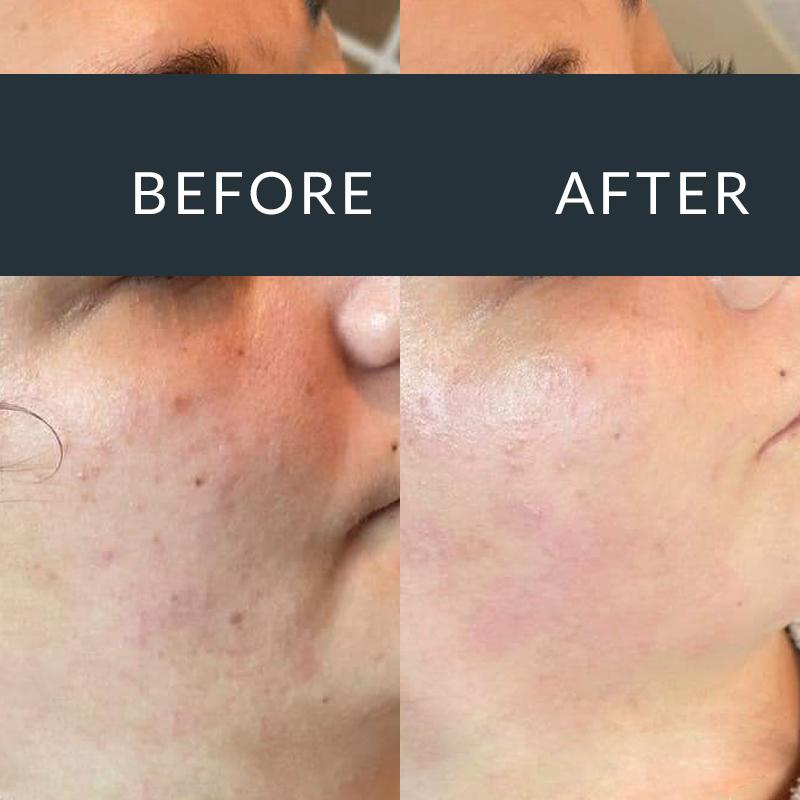
Not every mark left after acne is a permanent scar. Breakouts can leave areas of redness or darker pigmentation that may remain visible after the spot itself has healed. Our pigmentation and redness-prone skin page explains these colour changes in more detail.
Professional skincare and selected peel treatments may help improve the appearance of uneven skin tone and post-acne pigmentation. The correct approach will depend on your skin type and the nature of the marks.
Acne Scarring Treatments in Brentwood
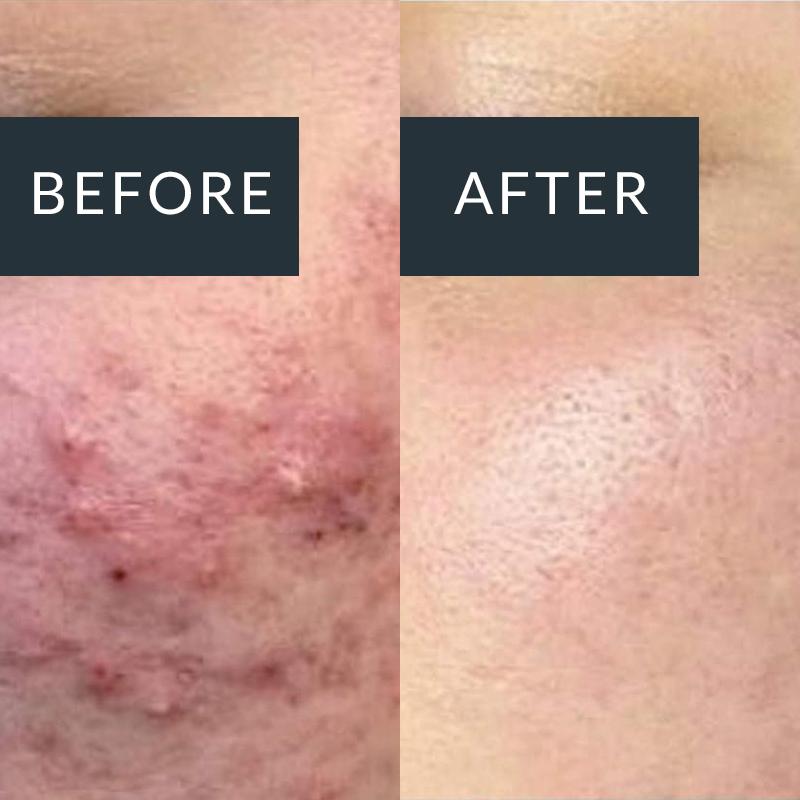
Acne scarring can develop when inflammation damages the deeper layers of the skin. Scars can vary considerably in their appearance and may include shallow depressions, deeper indentations, uneven texture or changes to the surface of the skin.
The treatment we recommend will depend on the type, depth and extent of the scarring as well as the overall condition of your skin.
Dermapen Microneedling for Acne Scarring
Microneedling creates controlled micro-channels within the skin, encouraging the natural repair response and supporting new collagen production.
Dermapen microneedling can be considered for certain types of acne scarring, enlarged pores and uneven skin texture. A course of treatments may be recommended depending on the severity of the scarring and the response of your skin.
Microneedling is generally more appropriate for acne scarring once active inflammatory acne is under control. Your skin will be assessed before treatment is recommended.
Find out more about Dermapen Microneedling

Which Acne Treatment Is Right for Me?
There is no single acne treatment that is right for everyone. Two people may both describe themselves as having acne while their skin requires very different approaches.
During your consultation we can assess your skin and determine whether the main concern is active acne, congestion, excess oil, post-acne pigmentation, scarring or a combination of these.
From there, we can recommend an appropriate treatment and skincare plan and explain what improvements can realistically be expected.
Where acne is severe, painful, rapidly worsening or associated with deep nodules or cysts, assessment by your GP or a dermatologist may be more appropriate.
Suitability, Recovery & Realistic Results
Tell us about prescription acne treatments, recent isotretinoin, allergies, pregnancy or breastfeeding and any history of pigmentation problems or abnormal scarring. These can change whether and when a procedure is suitable. Do not stop prescribed medication without speaking to your prescriber.
Peels and microneedling can cause redness, irritation and sensitivity; less common risks include infection, pigment changes and scarring. Recovery depends on the procedure and your skin. We will discuss preparation, aftercare and the likely limitations before treatment. Consistent sun protection is especially important when the skin is recovering.
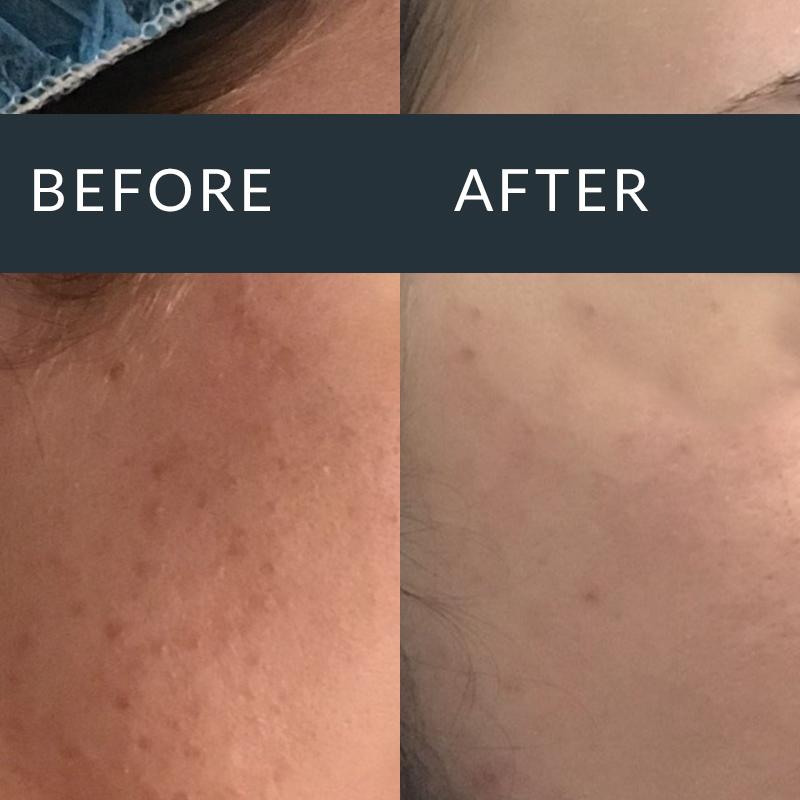
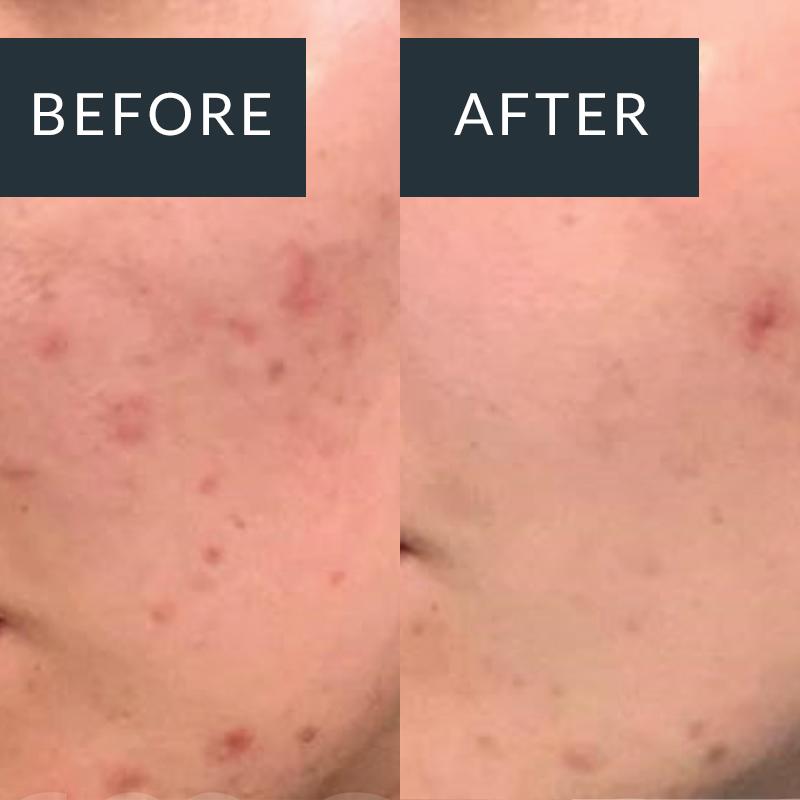
Photographs are illustrative and do not predict your results. Some scars need specialist procedures beyond our treatment range. Read Microneedling for Acne Scars and Chemical Peels Explained to help prepare questions for your consultation.
Acne & Acne Scarring FAQs
Can acne affect adults as well as teenagers?
Yes. Although acne is particularly common during the teenage years, many adults continue to experience acne or develop breakouts later in life.
Do you treat teenage acne?
Yes. We regularly see teenagers with concerns including congestion, blackheads, oily skin, breakouts and post-acne marks. Treatment and skincare recommendations are made following an individual skin assessment.
Can chemical peels help acne?
Professional chemical peels can be useful for some acne-prone skin, particularly where congestion, uneven texture or post-acne pigmentation is a concern. The type of peel must be selected according to the individual skin condition.
Can microneedling improve acne scars?
Microneedling may help improve the appearance of certain types of acne scarring and uneven skin texture by stimulating the skin’s natural repair response and collagen production.
Can microneedling be performed when I still have active acne?
Microneedling is generally used once active inflammatory acne is under better control. Treating active inflamed areas may not be appropriate, which is why the skin is assessed before treatment.
How many acne treatments will I need?
This depends on your skin, the treatment selected and the severity of your concerns. Some clients may benefit from a course of treatments alongside an appropriate home skincare routine.
Will acne scars disappear completely?
No treatment can guarantee complete removal of acne scars. The aim is normally to improve their texture and visibility. The amount of improvement varies according to the type of scarring and the individual response to treatment.
Should I see my GP about acne?
If acne is severe, painful, cystic, causing significant scarring or affecting your wellbeing, it is sensible to speak to your GP. Some forms of acne may require medical treatment rather than cosmetic skin treatments alone.
Book an Acne Consultation in Brentwood
If you are concerned about active acne, teenage acne, post-acne marks or acne scarring, contact Derma Aesthetics Clinic in Brentwood, Essex for a personalised skin consultation.
We can assess your skin, discuss your concerns and recommend an appropriate treatment and skincare plan based on your individual needs.
Call us on 01277 213 980 or send a booking enquiry using the form below. You can also browse our full range of aesthetic and skin treatments or view our treatment prices.
You can also explore our skin conditions and treatment articles for further guidance.
Our Awards