Advanced aesthetics & skin treatments in Brentwood, Essex

At Derma Aesthetics Clinic in Brentwood, Essex, we offer personalised treatment and skincare plans for pigmentation and redness-prone skin concerns, including hyperpigmentation, melasma and rosacea-prone skin.
Although these conditions can sometimes look similar, they have different causes and require different approaches. Understanding what is happening within your skin is an important first step before deciding which treatments or skincare products may be suitable.
Hyperpigmentation
Hyperpigmentation is the term used to describe areas of skin that become darker than the surrounding skin. This happens when excess melanin, the pigment responsible for skin colour, is produced or deposited unevenly.
Hyperpigmentation can affect all skin tones and may appear as individual dark spots, larger patches of uneven colour or marks left behind following inflammation.
Sun Spots & Age Spots
Sun spots, sometimes referred to as age spots or solar lentigines, are flat areas of increased pigmentation associated with cumulative sun exposure. They commonly develop on areas regularly exposed to daylight, including the face, hands and décolletage.
Post-Inflammatory Hyperpigmentation
Post-inflammatory hyperpigmentation, often shortened to PIH, can develop after inflammation or injury to the skin. Acne, blemishes, picking or squeezing spots, irritation and some skin conditions may all leave darker marks after the original inflammation has settled.
Unlike an acne scar, post-inflammatory hyperpigmentation is a change in skin colour rather than a permanent change in the structure of the skin. These marks can gradually fade, although this may take time. Read our acne and acne scarring page for the difference between post-acne marks and scars.
What Can Cause Hyperpigmentation?
Common factors associated with increased pigmentation include:
- Sun and UV exposure
- Acne and other inflammatory skin conditions
- Skin irritation or injury
- Hormonal changes
- Certain medications
- Repeated sun exposure over time
Treatments for Hyperpigmentation
The most appropriate treatment depends on the type of pigmentation, your skin type and the underlying cause. Options available at Derma Aesthetics Clinic may include professional skincare, carefully selected chemical peels and, for suitable concerns, microneedling.
AlumierMD treatments and home skincare can be tailored to uneven skin tone, sun damage and pigmentation concerns.
ZO Skin Health provides professional skincare programmes designed to improve skin quality and address concerns including uneven tone and pigmentation.
BioRePeel may help improve overall skin texture, brightness and the appearance of uneven pigmentation in suitable skin types.
Dermapen microneedling may be considered where pigmentation is associated with concerns such as post-acne marks and uneven skin texture. It is not automatically suitable for every pigmentation condition.
Melasma
Melasma is a specific form of hyperpigmentation that usually appears as symmetrical brown or grey-brown patches on the face. It commonly affects the cheeks, forehead, nose, upper lip and chin.
Melasma has a complex cause. Genetics, hormones and exposure to ultraviolet and visible light can all play a role. It is particularly associated with pregnancy and hormonal medication, although it can occur in people who are not affected by either.
Hyperpigmentation vs Melasma
Hyperpigmentation is a broad term covering many different causes of darkened skin. Melasma is one particular type of hyperpigmentation with its own pattern, triggers and tendency to recur.
This distinction matters because treatments that may be appropriate for a simple sun spot or post-acne mark are not necessarily the best approach for melasma.
Can Melasma Be Treated?
Melasma can often be improved, but it is usually better regarded as a condition that needs ongoing management rather than something that can always be permanently removed.
Professional skincare, careful treatment selection and consistent protection from light are important. More aggressive treatment is not necessarily better, as irritation and inflammation can sometimes make pigmentation worse.
Treatments for Melasma
Our approach to melasma is personalised according to the appearance of the pigmentation, your skin type and your previous treatment history.
Professional skincare programmes using products such as AlumierMD or ZO Skin Health may form an important part of a pigmentation-management plan.
Certain professional peels may also be considered where appropriate. Procedures such as microneedling require particularly careful assessment in melasma because treatment-induced inflammation can sometimes aggravate pigmentation rather than improve it.
Sun Protection & Melasma
Consistent sun protection is one of the most important parts of managing melasma. Both ultraviolet and visible light can contribute to pigmentation, so protection should continue even after the appearance of the skin has improved.
Choose broad-spectrum sunscreen with at least SPF 30 and good UVA protection, alongside shade and a hat. Reapply regularly outdoors and after swimming or sweating. A tinted sunscreen containing iron oxides may add protection against visible light. The British Association of Dermatologists’ melasma guidance explains why ongoing light protection matters.
Rosacea & Redness-Prone Skin
Rosacea is a long-term inflammatory skin condition that mainly affects the face. It is different from both hyperpigmentation and melasma, although redness and uneven skin tone can sometimes cause people to confuse the conditions.
Common symptoms can include flushing, persistent facial redness, visible small blood vessels, burning or stinging, sensitivity, dryness and small red bumps or pustules.
What Causes Rosacea?
The exact cause of rosacea is not fully understood. It is thought to involve a combination of genetic, inflammatory, vascular and environmental factors.
Rosacea is not caused by poor hygiene and it is not contagious.
Common Rosacea Triggers
Triggers vary between individuals, but commonly reported factors include:
- Sunlight
- Hot or cold weather
- Hot drinks
- Alcohol
- Spicy foods
- Exercise
- Stress
- Heat and humidity
- Certain irritating skincare products
Identifying which factors affect your own skin can be useful when managing redness and flare-ups.
Caring for Rosacea-Prone Skin
Rosacea-prone skin is often sensitive, so a gentle approach is usually preferable. Harsh exfoliation, abrasive scrubs and products that repeatedly irritate the skin can make redness and discomfort worse.
A simple routine based around gentle cleansing, moisturising, supporting the skin barrier and daily broad-spectrum sun protection can be particularly important.
Professional Skincare for Rosacea-Prone Skin
At Derma Aesthetics Clinic, we can assess sensitive and redness-prone skin and recommend an appropriate skincare routine designed to support the skin barrier while avoiding unnecessary irritation.
Depending on the condition of your skin, carefully selected AlumierMD or ZO Skin Health products or a gentle facial may be suitable. A facial does not cure rosacea or replace medical treatment. Strong exfoliation and needling may be unsuitable during a flare-up.
Rosacea cannot currently be permanently cured, although its symptoms can often be controlled. If your symptoms suggest rosacea, particularly persistent redness, frequent flushing or inflammatory pustules, we may recommend that you speak to your GP or a dermatologist for diagnosis and medical treatment where appropriate.
If rosacea affects your eyes and you experience eye pain, blurred vision, sensitivity to light, a red eye or a gritty sensation, seek an urgent GP appointment or call NHS 111. See the NHS rosacea guidance for further advice.
Why Sun Protection Matters
Daily sun protection is important across all three concerns. UV exposure can darken existing pigmentation and contribute to the development of new pigmentation, while sunlight is also one of the most commonly reported triggers for rosacea.
Using an appropriate broad-spectrum sunscreen consistently should therefore form part of your everyday skincare routine.
Suitability, Risks & Aftercare
Treatment choice depends on your skin tone, sensitivity, diagnosis and previous response to treatment. Peels can cause irritation, darker or lighter patches and scarring. Microneedling can cause redness, swelling, infection, pigment changes or scarring. More intensive treatment is not necessarily better, particularly when the skin is prone to pigmentation or inflammation.
Tell us about medication, allergies, pregnancy or breastfeeding and any history of unusual scarring. Prescription lightening products should be managed by the prescribing clinician. Do not stop prescribed medicines or change hormonal medication without their advice.
We will explain preparation, expected recovery and aftercare for any treatment discussed. Read Chemical Peels Explained before considering a peel.
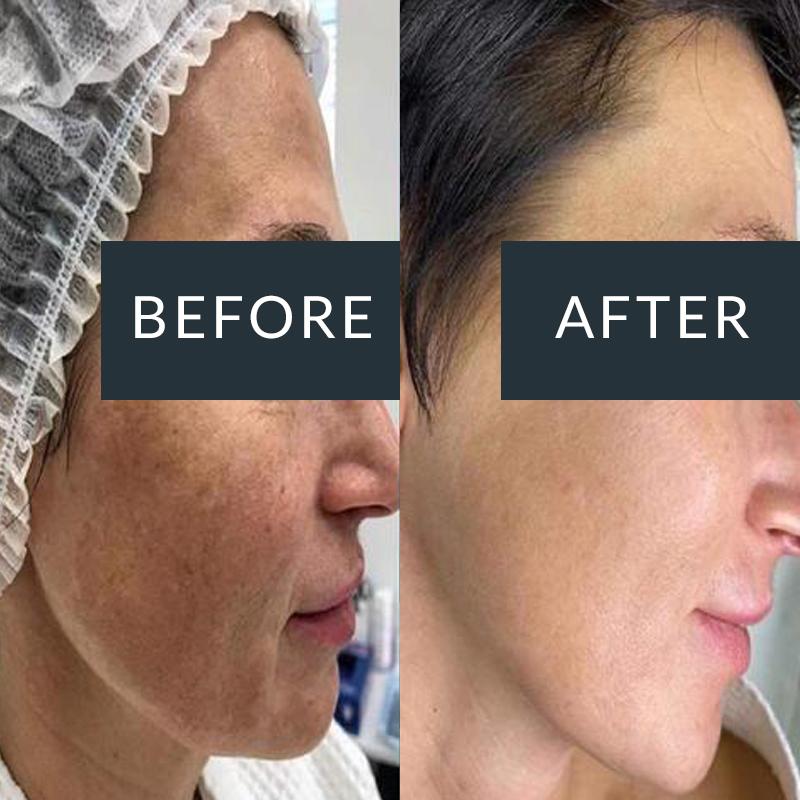
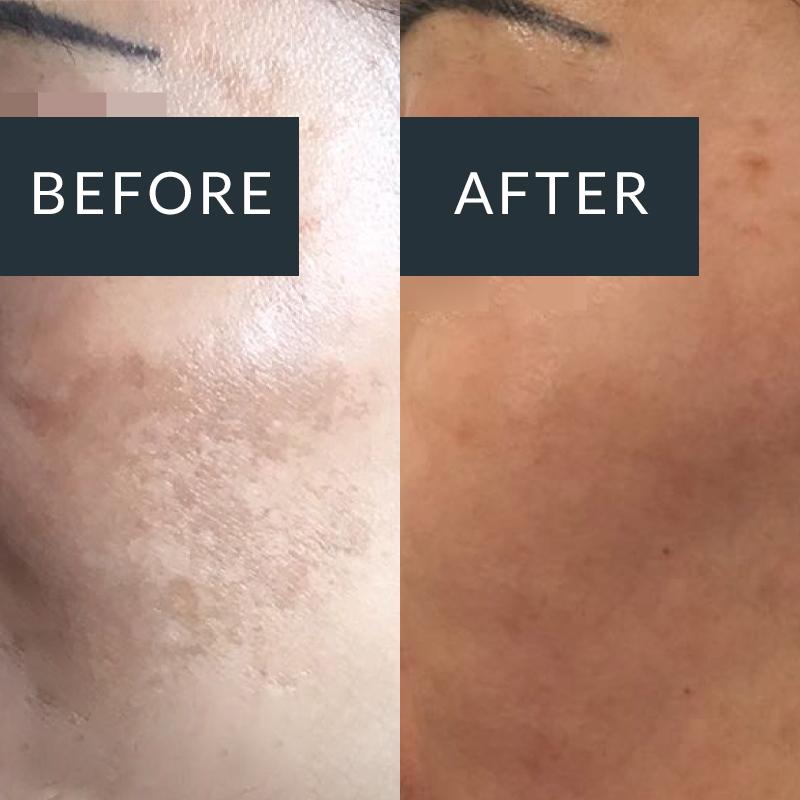
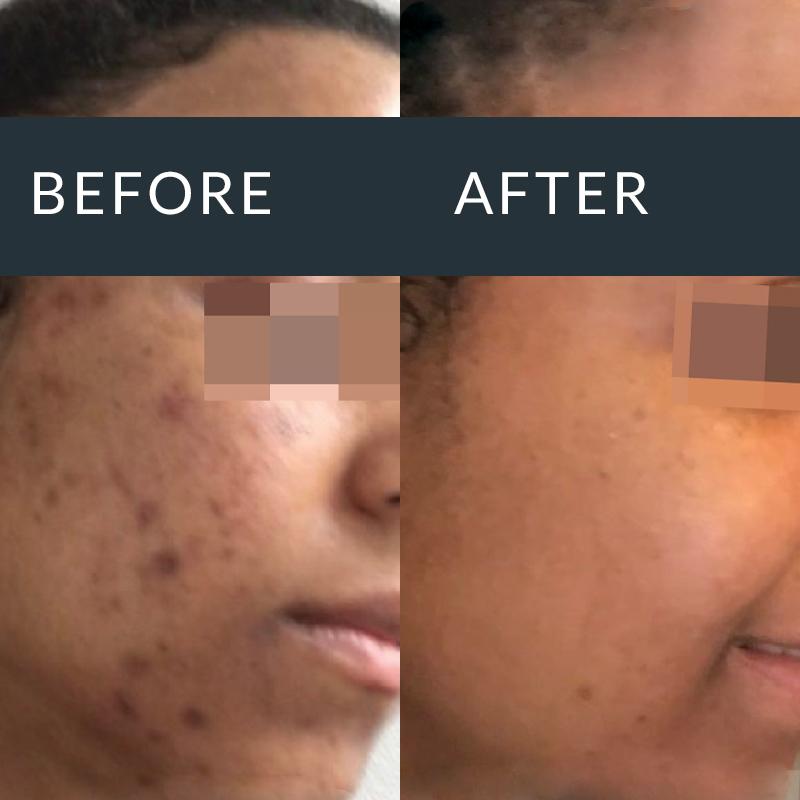
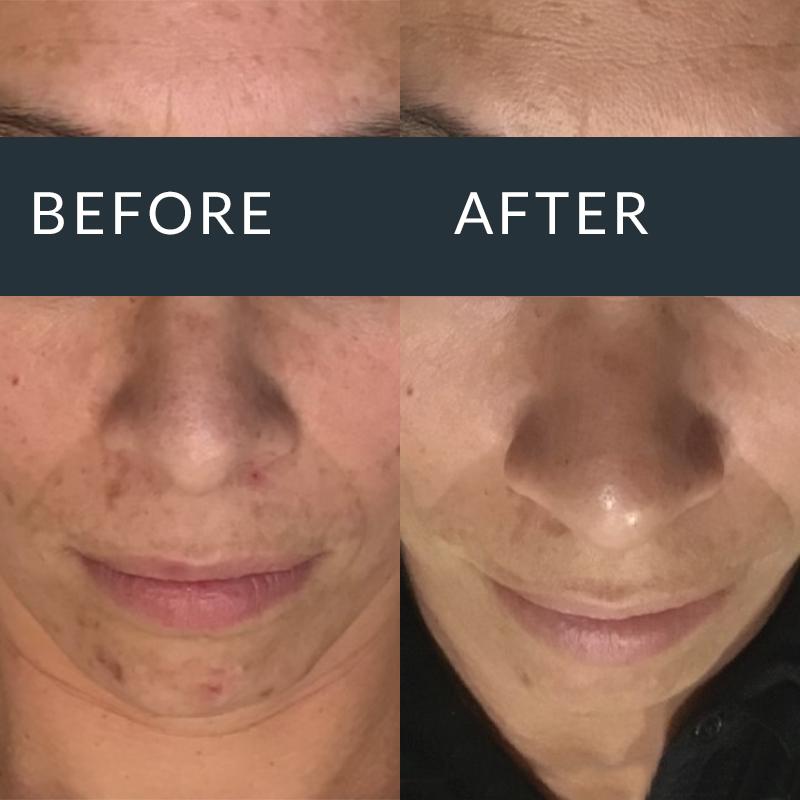
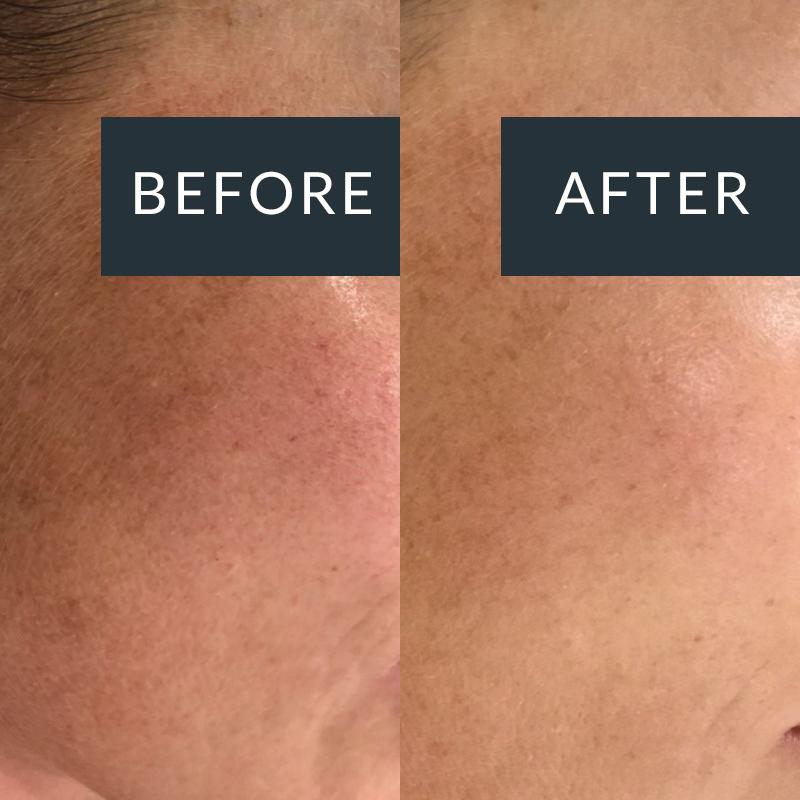
Before & After Results
Results vary according to the type and depth of pigmentation, your skin type, the treatment used and how consistently recommended skincare and sun protection are followed. Existing photographs are illustrative and do not predict your results.
Which Skin Treatment Is Right for Me?
There is no single treatment that is right for every pigmentation or redness concern. During your consultation we will assess your skin, discuss when and how the concern developed and recommend suitable treatment and skincare options.
Any pigmented lesion that is new, changing, irregular, bleeding, itching or otherwise concerning should be medically assessed rather than treated cosmetically.
Frequently Asked Questions
What is the difference between hyperpigmentation and melasma?
Hyperpigmentation is the general term for areas of skin that become darker than the surrounding skin. Melasma is a particular type of hyperpigmentation commonly associated with hormonal factors, genetics and light exposure.
Is rosacea a type of pigmentation?
No. Rosacea is an inflammatory skin condition. Its most noticeable feature is often redness rather than increased melanin, although people can experience more than one skin concern at the same time.
Can hyperpigmentation be completely removed?
The appearance of pigmentation can often be improved, but results depend on its cause and depth. Some types of pigmentation can return, particularly following further sun exposure or hormonal changes.
Does melasma come back?
Melasma has a tendency to recur. Consistent sun protection, appropriate skincare and ongoing management are therefore important even after improvement has been achieved.
How many treatments will I need?
This varies according to the concern being treated, your skin type and how your skin responds. Some clients may benefit from a course of professional treatments combined with a longer-term home skincare programme.
Can pigmentation become worse after treatment?
Yes. Skin irritation and inflammation can sometimes stimulate additional pigmentation, particularly in people who are prone to post-inflammatory hyperpigmentation. This is why treatment intensity and suitability should be assessed carefully.
Can rosacea be cured?
There is currently no permanent cure for rosacea, but symptoms can often be controlled through trigger management, appropriate skincare and, where necessary, medical treatment prescribed by a GP or dermatologist.
Should rosacea be diagnosed by a doctor?
If you think you may have rosacea, particularly where symptoms are persistent or significant, speaking to your GP is advisable. Several other skin conditions can produce similar facial redness, so establishing the correct diagnosis is important.
Book a Skin Consultation in Brentwood
If you are concerned about pigmentation, melasma, persistent redness or sensitive skin, we can assess your skin and discuss suitable professional skincare and treatment options.
Call Derma Aesthetics Clinic on 01277 213 980, browse our full range of treatments or view our treatment prices.
Send a booking enquiry using the form below. You can also explore our skin conditions pages and treatment articles for further advice.
Our Awards